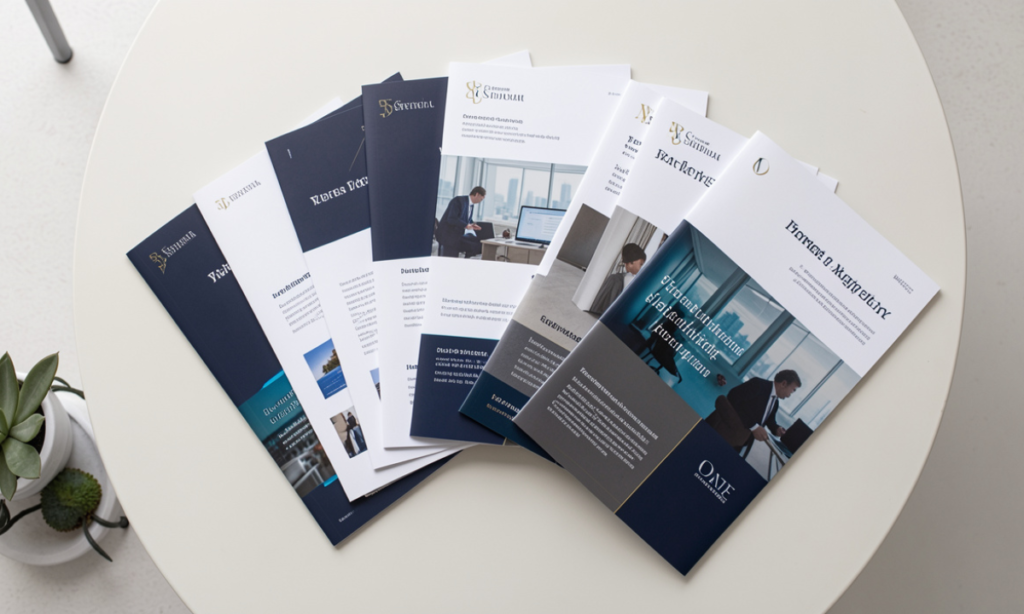

Brochures are a practical way to share information about a business, product, service, event, or organization. They combine written content and visual elements in a compact format, making it easier for readers to understand important details. Whether printed or shared digitally, a well-designed brochure can support marketing efforts and help a brand communicate its message clearly.
What Is a Brochure?
A brochure is a promotional or informational document that presents content in an organized format. It may contain descriptions, photographs, contact information, pricing, benefits, services, and calls to action. Brochures can be created in several styles, including single-page, bi-fold, tri-fold, and multi-page formats.
The best format depends on the purpose of the brochure. A simple event announcement may need only one page, while a company brochure may require several sections to explain its products and services.
Benefits of Using a Brochure
One major advantage of brochures is that they allow businesses to provide useful information without overwhelming their audience. Readers can quickly scan headings, images, and short paragraphs to find the details they need.
Brochures are also versatile. They can be distributed at trade shows, conferences, stores, offices, community events, and promotional campaigns. Digital versions can be emailed or shared through websites and social media.
Another benefit is brand consistency. A brochure can use the same colors, logo, typography, and visual style as other marketing materials, helping customers recognize the business.
Planning Your Brochure
Before starting the design, determine the primary purpose of the brochure. Decide whether you want to promote a product, explain a service, advertise an event, or provide general information.
Next, identify your target audience. Understanding who will read the brochure helps you choose the right tone, images, colors, and level of detail.
Organize the information into clear sections. Start with the most important message and gradually provide supporting details. Avoid including unnecessary information that could distract readers from the main purpose.
Designing an Attractive Layout
A clean layout makes a brochure easier to read. Give headings enough space and divide large blocks of text into smaller sections. Bullet points can be useful when presenting features, benefits, or services.
A brochure maker can make this process easier by providing templates and design features that allow users to customize layouts without needing advanced graphic design knowledge. You can adjust text, images, colors, spacing, and other elements to create a design that suits your needs.
Choosing Images and Colors
Images can make a brochure more engaging and help explain products or services visually. Use sharp, high-quality images that relate directly to your message.
Colors should support your brand identity and maintain good readability. Avoid using too many colors, especially if they compete with the text. A simple and consistent color scheme usually creates a more professional appearance.
Writing Effective Content
The text in your brochure should be clear, concise, and useful. Start with a strong headline that immediately tells readers what the brochure is about. Follow it with short descriptions that explain the most important benefits or information.
Include relevant contact details and a clear call to action. Tell readers what they should do next, such as visiting a website, calling a business, making an appointment, or requesting additional information.
Reviewing Before Publishing
Always proofread your brochure before printing or publishing it online. Check spelling, grammar, phone numbers, website addresses, prices, dates, and other important details.
Also review the design on different screen sizes if the brochure will be distributed digitally. For printed materials, check image quality, margins, spacing, and the final paper size.
Conclusion
A well-designed brochure can be an effective communication and marketing tool for businesses and organizations. By planning the content carefully, choosing an appropriate layout, using quality images, and maintaining consistent branding, you can create a brochure that looks professional and communicates information effectively.
The most successful brochures focus on the reader. When the design is attractive, the content is easy to understand, and the next step is clear, a brochure can leave a lasting impression and encourage people to engage with a brand.